Tag Archives: Guatemala

Of Weaving & Words

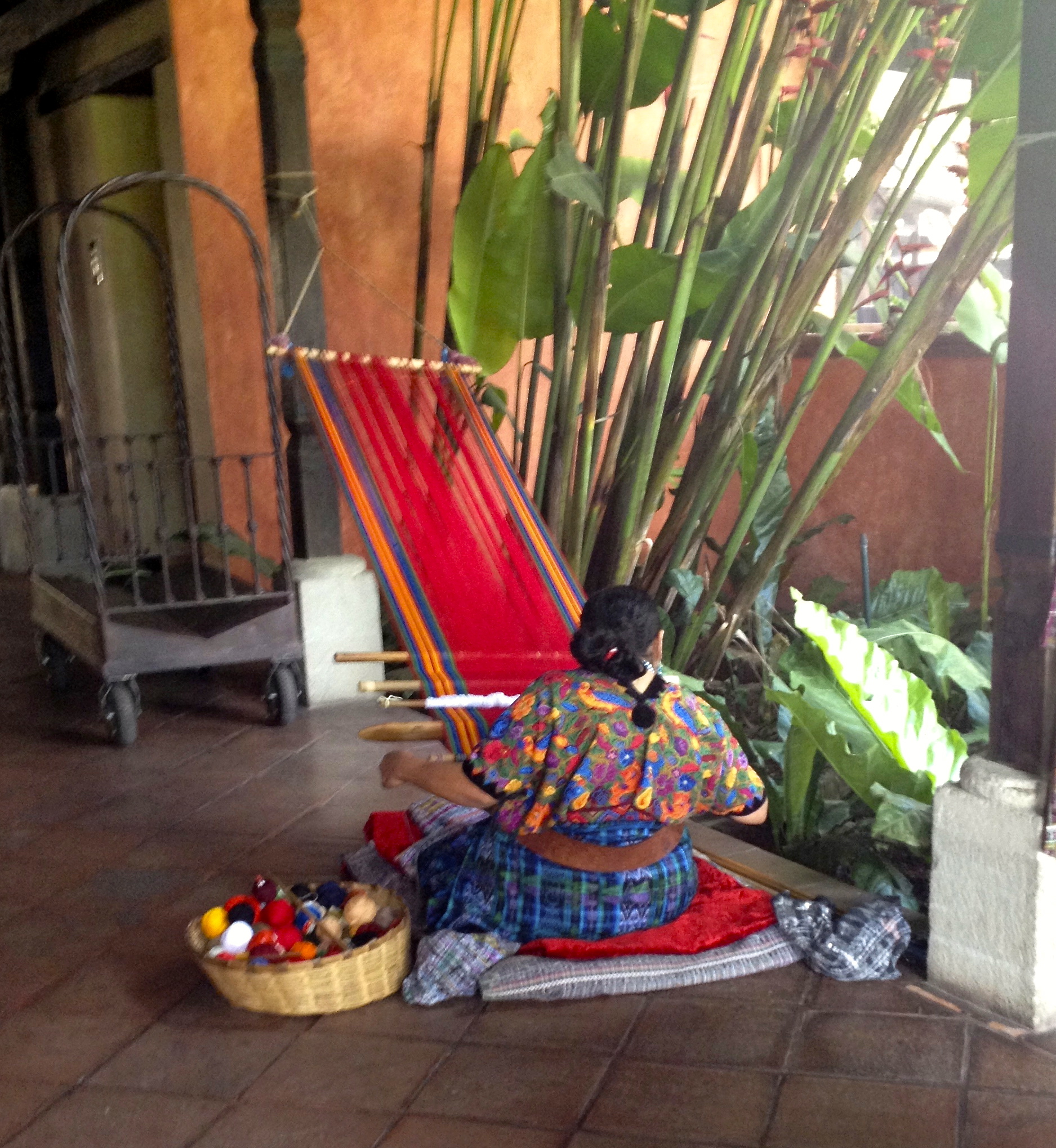
IMG_1543Thread by thread, line upon line somehow turn into a work of art. Strands of color slowly come together under skillful fingers until the tapestry is complete.

Back-strap weaving – who can help but admire the craft and the woman sitting with her loom hanging from the post and connected to the strap around her waist? This is a skill passed down from generations, and it is a hallmark of Guatemala’s highlands.

Along with captivating textiles of various colors, in the mountains of Guatemala you may also discover a vibrant selection of languages. Many of the indigenous people speak a Mayan dialect, and, though they often speak Spanish as well, their indigenous words are woven in just like the hues on their looms. Of course, one can appreciate the beauty of the spoken words without understanding just as one can admire the pattern of a corte (woven fabric made into a traditional wrap-around skirt) without much knowledge of the art behind it. However, just as knowing the hours and skills that went into creating the corte adds depth to the admiration so understanding of the words deepens the appreciation of their beauty. That is one of the reasons we created Understanding the Guatemalan Patient. May all who read it grow in their value of both these words and, most importantly, the people who weave them every day.


¡Buen Provecho! Guatemalan Meal Memories

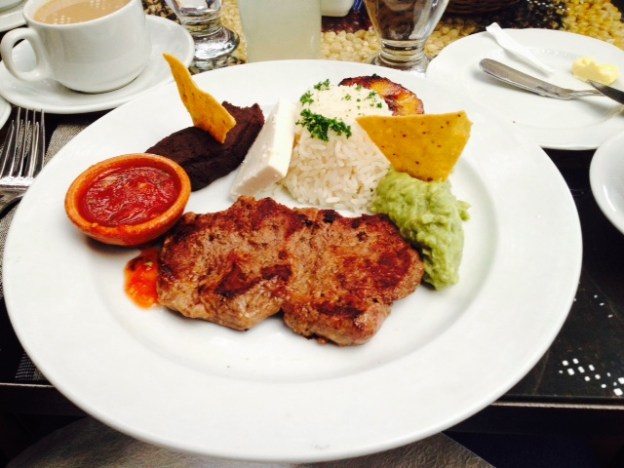
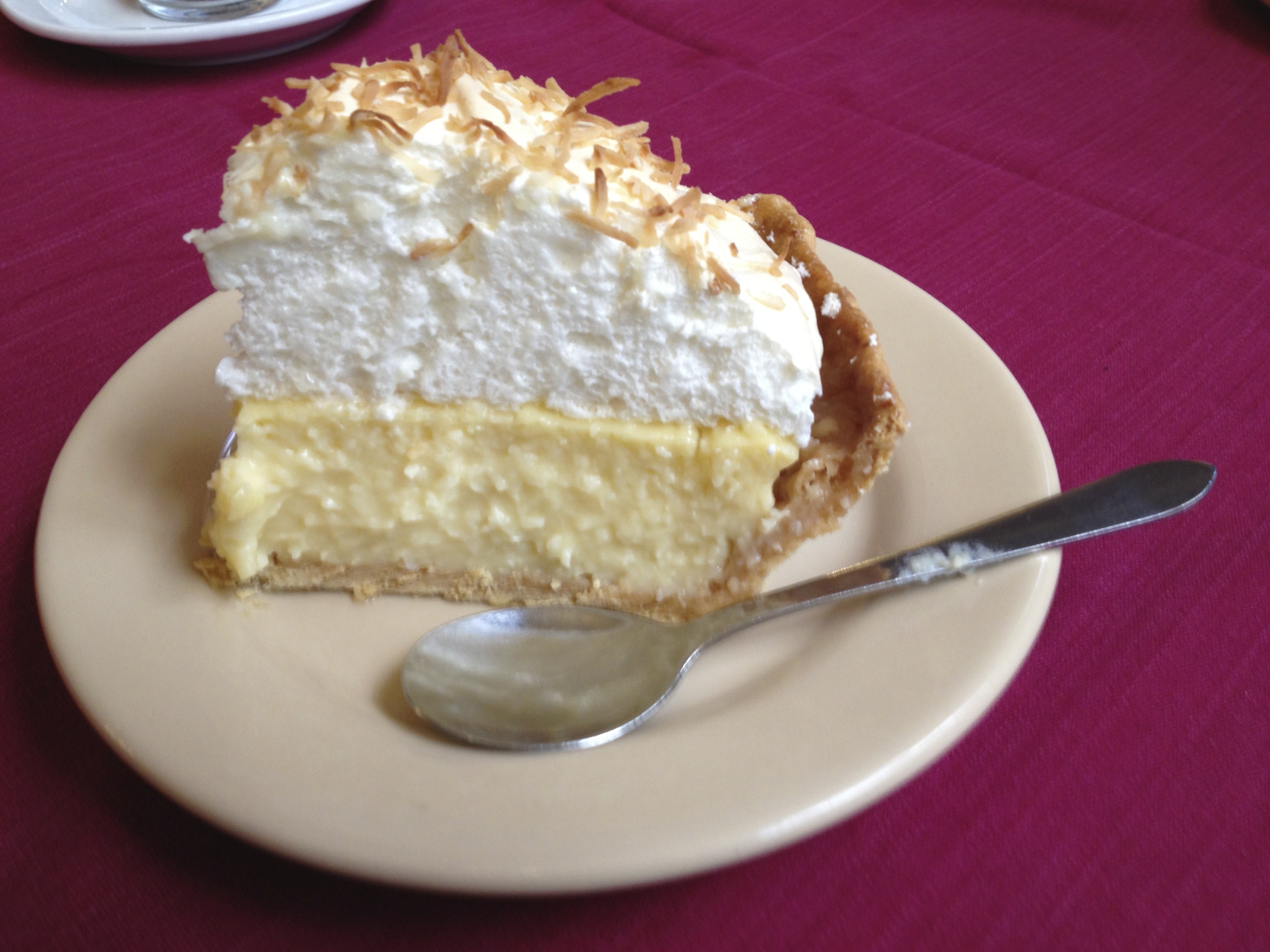
A recent conversation with a fellow Guatemala lover brought back many memories of Coconut Cream Piefavorite Guatemalan meals. Ah, the spicy-sweet smells wafting from Doña Luisa’s in Antigua! It seems that few visitors can pass by without stopping in, perhaps for a slice of cinnamon raisin bread, a chocolate ice cream or a piece of the reportedly excellent carrot cake. Then there’s the American Hotel in Guatemala City with their coconut cream pie – Dr. Hammer’s favorite and the subject of legends!

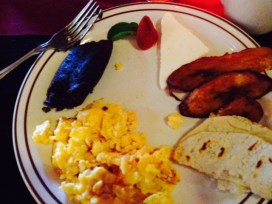
FullSizeRenderHowever, when it comes down to it, Guatemala’s more traditional flavors are her best. Warm corn tortillas, frijoles (black beans), platanos fritos (fried plantains) with miel (honey) and queso fresco (Farmer’s cheese) make an amazing breakfast!

Feeling hungry? Same here! Maybe it’s time to cook up some Guatemalan deliciousness. Then there’s only one thing left to say, “¡Buen provecho!”

What about you? Do you have a favorite Guatemalan or Latin American food or meal memory? How about a favorite restaurant? We’d love to hear from you, so please drop us a comment in the box below!

Cachetes


IMG_9973

Here’s a Guatemalan baby being carried on his mother’s back. Don’t you love the colorful fabrics?

“Aw, Tía Elena, look at that baby!” Emily said. Together, aunt and niece watched the little fellow being carried through the mall.

“Those cheeks!” Tía Elena smiled. “Now we might call those cachetes.”

Emily had to grin. As a Spanish-English interpreter, her Tía Elena couldn’t help dropping in a little language lesson now and then. “Cachetes, huh?”

, and it looks like his mamá took good care of them, too.” She stopped in front of a mirror and gave a silly smile. “Kind of like mine. No sagging cheeks for me!”

Emily giggled at her aunt’s antics.

“You can laugh,” Tía Elena said, “but if my mamita had stood me up on my little baby feet too early, my cheeks might have ‘fallen’ and been saggy for life!”

Emily raised an eyebrow. “Seriously?”

“Well, that’s what Mamá thought until a doctor kindly told her not to worry about it much. And look at me now!” She gave her cheeks one last playful pat before hauling Emily off to her favorite shoe store.

That night, Emily decided to check out Tía Elena’s story. Sure enough, her smartphone delivered  the answer: her tía hadn’t made it up! Hey, this Understanding the Guatemalan Patient looks pretty cool! Maybe I could get it for Tía Elena’s birthday. She’d like it. And it would even be small enough to fit in her huge-but-almost-full purse! Emily added the book to her Amazon cart and proceeded to checkout.

Looking for a gift for a medical interpreter or a language lover? Full of interesting words and folk medicine/cultural tidbits, Understanding the Guatemalan Patient is sure to bring hours of education and fun. Check it out today! 


¡Buen Viaje!: Three Reasons to Serve Overseas If You’re Training in the Medical Field

Now that summer has hit, all of you students heading toward the healthcare field have time to think beyond your textbooks. It’s a big world out there with lots of opportunities. As you map out the rest of the year and look ahead, here are three reasons to consider making an international service trip part of your plans.

1. Be Stretched

Unless you’re one of those special people who just naturally goes with the flow, most of us find being in a new place with strangers, eating strange food and hearing a possibly strange-sounding language a bit s-t-r-e-t-c-h-i-n-g. But as we’ve all been told before, getting out of our comfort zones can be a very good thing! In fact, if you are training in the medical profession, getting used to a rubberband life may really help you. After all, healthcare is a constantly changing field. Stretching international experiences can also make for good stories…At least they might be more interesting than that inorganic chemistry course you thought might kill you last semester!

2. Build People Skills

Whether we realize it or not, many medical personnel spend a great deal of each day interacting with people. Patients, patients’ families, and coworkers, not to mention our own families and friends, all come into play. Beyond that, aren’t many of us here because we want to help people? If that’s the case, we need to be good at working with them. While we can read all of the books we can find (and some of them may be helpful), a lot of people-reading skills are built by hands-on experiences and watching how others handle situations. Sure, you may feel more comfortable looking into your microscope, but. hey, if nothing else, realize that doing some things that involve people will look good on your med school applications or resume.

3. Bless Others

Like we said, many of us in medical professions (or heading toward them) are doing what we’re doing because we want to help people. Of course, we strive to do this every day no matter where we are. However, imagine serving people who have limited access to quality care. For example, in 2011 there were 2.45 physicians per 1,000 people in the US while there were 0.47 in Bolivia, 0.36 in Bangladesh, 0.08 in Zimbabwe and (2009) 0.93 in Guatemala[1]. In nations like these, you could be a part of hands-on medical work (a definite plus) and meet a real need. While you may encounter a rare tropical disease or two, in communities around the world, men, women and children struggle with common and treatable yet untreated conditions. Maybe our heads, hearts and hands are supposed to be the ones to help them.

Do you have plans to use your medical skills to serve abroad this summer or later this year? We’d love to hear where you’re headed and what inspired you to buy your ticket! And if Guatemala or its nearby neighbors are on your route, don’t forget to pick up your own copy of Understanding the Guatemalan Patient: A Glossary of Spanish Medical Terms and Folk Medicine and share your feedback with us.

1 CIA The World Factbook  https://www.cia.gov/Library/publications/the-world-factbook/fields/2226.html (accessed 24 May 2015).

Our 50th Post: Three Reasons to Love Guatemala

With our 50th post, we’re sharing three of our favorite things about Guatemala.

  1. The natural beauty. Even though the country is only about the size of the state of Tennessee, its terrain is varied and breathtaking. Mountains, waterfalls, beaches,Guatemala Lake Atitlan pic volcanoes, rain forests, desert-like plains – Guatemala claims them all. Known as the “Land of the Eternal Spring”, you can imagine the rainbow of flowers that grow here. Budding bougainvillea vines and lush hibiscus blooms are only the beginning. If you ever have a chance to visit, make sure to stay by the volcano-bordered Lake Atitlán, a place considered to be one of the most beautiful in the world.Guatemalan textiles pic
  2. The colorful culture. One can hardly help smiling when greeted by the bright colors that are a hallmark of Guatemalan artistry. Intricately woven textiles still fill many shop stalls and bring cheer to many homes. If you’re at all familiar with the patterns, you can usually tell when someone else has done some Guatemalan shopping. Those who love Guatemala enjoy being able to spot each other this way!
  3. The people. Yes, Guatemala has gorgeous scenery and colorful craftsmanship, but her greatest treasure is her peoGuatemala people picple. With their warm smiles, gracious ways, resourcefulness and general willingness to work hard, they can win visitors’ hearts easily and can leave a lasting impact on visitors’ lives. These are the people whom the team behind Understanding the Guatemalan Patient hopes to serve and bless whether they are living in their vibrant homeland or making a home in a new land.

What about you? Have you been to Guatemala? If so, what did you love? If not, would you like to go and what would you most like to do? We’d love to hear from you, so please leave a comment below!

When a “vulture” entered your conversation…

Summer – at long last! You’ve been so ready to be done with your thick textbooks and exams, and you finally are…at least for a few glorious months. Right now you’re daydreaming about your upcoming trip to Guatemala. You can’t wait to go back. In fact, you’re going through medical school so that you can serve Latin Americans with your hard-won skills.

You start doodling out a packing list. After all, you learned some things on your trip last year. Might as well benefit from them!

Hey, where is that book, the little blue one that your Spanish-interpreter aunt gave you before your last trip? You scour your shelves – or rather the piles on your shelves. (Your organizational skills haven’t recovered from the “finals flurry” yet.) Ah-hah! There it is. Understanding the Guatemalan Patient: A Glossary of Spanish Medical Terms and Folk MedicineSettling in your overstuffed chair, you flip through the pages. Wow, does it bring back memories! Like that time with the “vulture”…

It was the second day of your first medical mission trip to Guatemala. You were seeing patients under the supervision of an MD with a Spanish interpreter nearby. Your little patient looked to be about five and was having a hard time of it. The interpreter was talking through the symptoms with the mother when a funny word caught your ears. The mom, who was clearly of Mayan descent, was saying something about “zope“.

Since your aunt is a Spanish interpreter Spanish is woven into your life pretty well. But “zope”? Doesn’t that mean “vulture”?

That’s when you remembered that your aunt gave you that book that’s supposed to deal with slang expressions. You pluck it out of your pocket and flip to the “z” words. Yep, there it is: zope.

“So he’s been vomiting?” you ask.

The translator nods. “Yes, how did you know?”

“Well, I speak a little Spanish, but -” You hand her the book. “- my aunt gave me this.”

She skims a couple of pages. “We should have these here.”

“Maybe I can get some to you,” you say with a smile.

Yeah, that was a fun memory. Your Spanish is a lot better this year, but you’re definitely taking this book along again. In fact, maybe you’ll get a couple of extras. Why not check it out on Amazon? Your other team members should have them as a recuerdo if nothing else.

Sometimes it’s the little things…

Some days in your clinic are just plain peanut-butter-and-jelly days – nothing particularly brain stretching, no cases that you could find in Hunter’s Tropical Medicine, no life-saving measures.

The fact that some of your patients are Hispanic, many of Guatemalan or Mexican ancestry, and speak little English adds some salsa to your tortilla chips though. Like the case that just hobbled through your door…

You can’t get more routine than an ingrown toenail, can you? Thankfully, a medical interpreter is handy to help you communicate with this patient and his wife. However, when the interpreter says “uña encarnada“, your patients blink without recognition.

You have your own copy of the Stedman Bilingüe Diccionario de Ciencias Médicas at home – good healthcare providers are life-long learners, right? – so you know that’s the standard medical terminology. But you decide to go out on a limb.

Uñero,” You say.

The wife’s face brightens. “¡Hay, sí! Esta es la palabra que usamos.”

That starts a fast-paced side conversation between them and the interpreter while you set to work, relieving the poor man of his simple but noticeably painful malady.

I’d better give the interpreter a card for Understanding the Guatemalan Patient before she leaves, you decide. After all, sometimes it’s the little things that make a big difference. 

A Midwife’s Monday

You’re returning to your clinic after visiting a client in her home. Nothing compares to seeing a new mother caring for her healthy baby after you’ve spent months working as a team and just a few days ago made it through the delivery. What you saw today tops your “why-I-love-being-a-midwife” list. If only all your work weeks could start off this way!

Along with that joy, today you have a midwife-in-training along for the ride. She’s bright-eyed and itching to get into things. You decide to redeem the drive time.

“See that little spiral-bound book peeking out of my bag?” you ask.

“The blue one?”

“Yeah. Go ahead and take a look at it. You’re going to need one for yourself.”

The trainee retrieves the book and looks it over. “Understanding the Guatemalan Patient: A Glossary of Spanish Medical Terms and Folk Medicine.  This looks interesting, but, um, I did take medical Spanish in school. Did I say something wrong with the last client?”

“Oh, no, you did well. It’s just that, as you’ve learned, many of the women we serve in this area are from Guatemala. Some of them, like the mother we just visited. speak what I call “dictionary Spanish”. Others speak their own variety. Sometimes they grew up speaking Spanish as a second language after a Mayan dialect.”

“Can you give me an example?”

“I think you’ll see what I mean with our clients this afternoon,” you grin. “Oh, and remember, as a midwife, sometimes your clients look to you for advice on all sorts of things.”

At the beginning of your visit with your next client – a young mother from rural Guatemala accompanied by her cousin – nothing much unusual happens. A few unique words are used, but your trainee catches on quickly. You begin to wonder if you anticipated too much. Then your client says,

Mi hermana me estaba preguntando si usted tendría consejo para ella acerca de su bebé que tiene rozadura.”

You glance at your trainee. She discreetly raises an eyebrow.

Rozadura es cómo pañalitis, ¿verdad?” you question, even though you know the answer. Both are used to mean diaper rash.

Your client smiles and nods, “Sí, es como pañalitis.”

You continue your conversation. Later that afternoon, the midwife-in-training comes to you looking a little less bright-eyed. “I’ve got to admit,” she says, “starting with that first office visit and continuing all afternoon, I’ve found out I don’t know Spanish as well as I thought I did. At least not the way these ladies speak it. And then there are all the folk medicine ideas I’ve never even heard of!”

You’re encouraging nature kicks in. “Don’t worry. I think you’re gonna do great. Learning a language is a life-long adventure. At least it seems like it has been for me.”

“Well,” she says with the smile in her eyes back on, “I know one thing. I’m going to buy myself one of those books.”

Want your own copy of Understanding the Guatemalan Patient? Check it out on Amazon!


Another way to say “pterygium”

You’re in the middle of another day at the downtown clinic. You work here often as an interpreter serving the large Hispanic community. Some of the patients have even gotten to know you a bit. You’ve built up trust because you’ve worked hard to really speak their language and show them you care.

You’re pretty sure you could diagnose the patient yourself. The presence of surfer’s eye – pterygium – is pretty obvious. You haven’t spent all this time with medical people without picking up a thing or two! But you wait until the doctor gives the clear diagnosis. Then you pull up the Spanish medical dictionary in your brain and explain to the patient that he has pterigión. 

When the patient gives you a blank stare, you decide to try a more on-the-street explanation in case it helps. You know the patient is of Guatemalan heritage, so you pull out one of your speaking-like-a-local-phrases and say, “Tal vez lo llaman carnosidad del ojo.

The patient grins, “Ah, sí. Ya entiendo.”

You smile and go on to explain the treatment and answer questions.

That night, you pull Understanding the Guatemalan Patient off your handy shelf and put a check mark by “pterygium carnosidad del ojo”.

You like to keep track of the terms you’ve used from this little book. So far, you’ve used quite a few. It makes you happy to know that you were able to continue serving and building trust today because you knew just the words to use. Maybe you’ll look through this pocket-size book tonight to give yourself a refresher.

Purchase your copy of Understanding the Guatemalan Patient  today on Amazon!

Pesquezo

It’s been a long day. You’re a nurse on a mission trip in Guatemala, and the heat must be getting to you a bit. But it looks like this is your last patient for the day. The fact that she doesn’t speak English doesn’t bother you. After all, you’ve taken several Spanish classes. During your week here in Guatemala, you’ve been doing pretty well so far.

When you ask what’s wrong, she says, “Me duele el pesquezo.

Pesquezo? That’s a new one! Casually, you glance around. Where is that translator when you need him? No where to be found apparently.

You decide to try to figure it out. You ask her to show you where it hurts. She put her hand on her neck and shows you how it hurts when she moves her head.

Ah-hah! Now you’re getting somewhere. You proceed with the visit and wrap up another rewarding day seeing patients at a special rural clinic.

That night you tell one of your team members about pesquezo. She, also a nurse, says, “Oh, that means ‘neck’, right?”

“Yeah,” you say, “I think so. But how do you know?”

She pulls a little blue book out of her backpack. “I bought this before we came. That word’s in here. It’s says pesquezo is formally used to mean an animal’s neck. I guess that’s why we didn’t learn it in school.”

“Hey, why didn’t I know about this?” you wonder, thumbing through the spiral-bound, pocket-sized book.

“Well, you can look at it tonight if you want,” your friend says. “It’s been really helpful to me.”

“Thanks. That would be great. Then maybe I’ll get my own copy before our next trip.”

Heading out on a medical mission trip to Guatemala or southern Mexico? Make sure everyone on your team is prepared with a copy of Understanding the Guatemalan Patient ! Check out the special bulk package on Amazon of 8 copies for on $48. (Offer available through April 30, 2015.) Happy reading and happy travels!