Tag Archives: Guatemala

Glimpses of Guatemala: One of the most beautiful places on earth…

One of the most beautiful places on earth

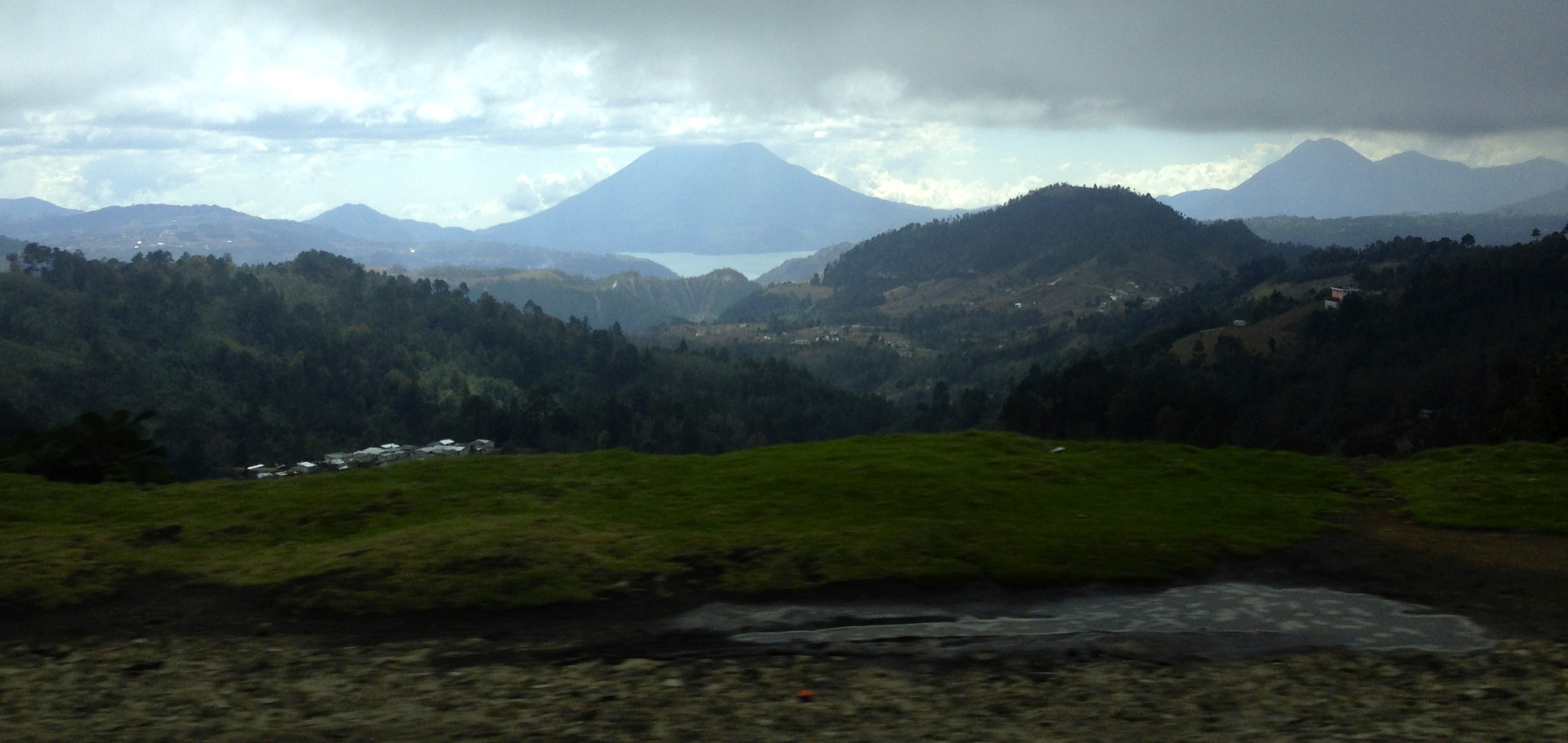
A lake surrounded by volcanoes and shaded by sunset-streaked clouds. Maybe this scene can be found around the world, but if you know Guatemala you probably know just the lake we’re talking about.

Some favorite memories of this place include breakfast on the shore surrounded by beautiful flowers under Guatemala-blue skies, playing along a “beach”, appreciating the crisp morning air after having been in the humidity-laden Petén, chatting with old friends and dreamily admiring the landscape and thinking it seemed like Hawaii. (Anyone who has actually been to Hawaii might see it differently…)

So what is the name of this place? Like we said, to those who know Guatemala it will seem simple, but perhaps not for others. Write an answer in the comment section and don’t forget to tell your favorite memories of this place! Let’s share the wonders of one of the most beautiful places on earth that happens to be in our loved Guatemala.

At Understanding the Guatemalan Patient, we want to share both the world and words of Guatemala with you. That’s why we’ve included folk medicine notes and other tidbits along with medical terms in the book. Check out some of our past “Word(s) of the Week” to get a glimpse of what you’ll find within the pages of Understanding the Guatemalan Patient,

We want to hear from you!

'

We are improving Understanding the Guatemalan Patient and want to hear your thoughts! Please take 5 minutes to answer 7 multiple-choice questions on our online survey. Your responses will help Vital Words Communications better serve those who use Understanding the Guatemalan Patient, and, thus, help them to better serve the Guatemalan people. A win-win, right?

Click on the link to get started: https://www.surveymonkey.com/r/83JR2B9

If you have feedback for us that goes beyond the scope of this short survey, please drop us a note or post your feedback via Amazon. We’d appreciate hearing from you.

Mil gracias – a thousand thanks – for your time and thoughts!

A Taste from Guatemala: So what makes an avocado smoothie awesome?

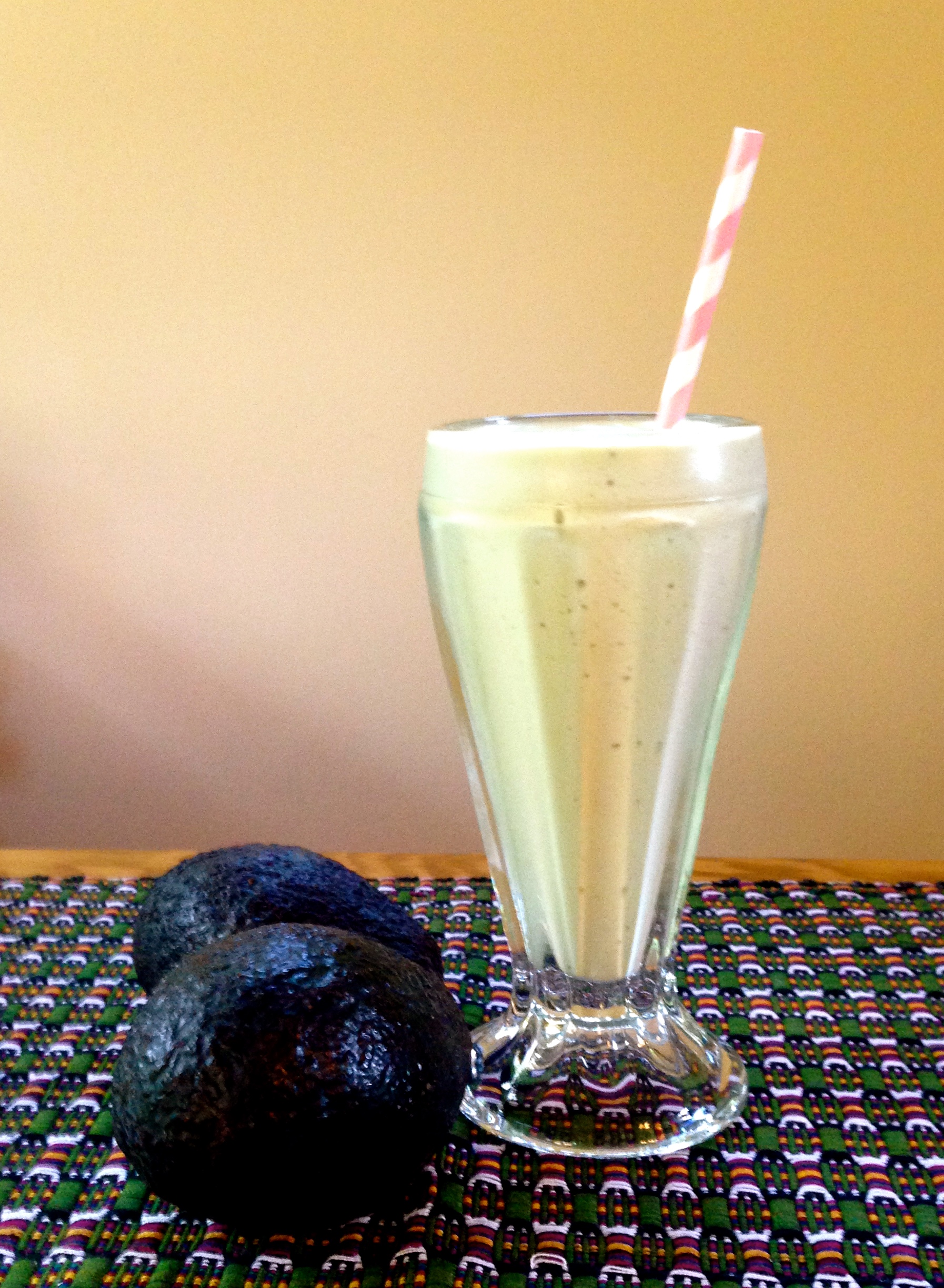
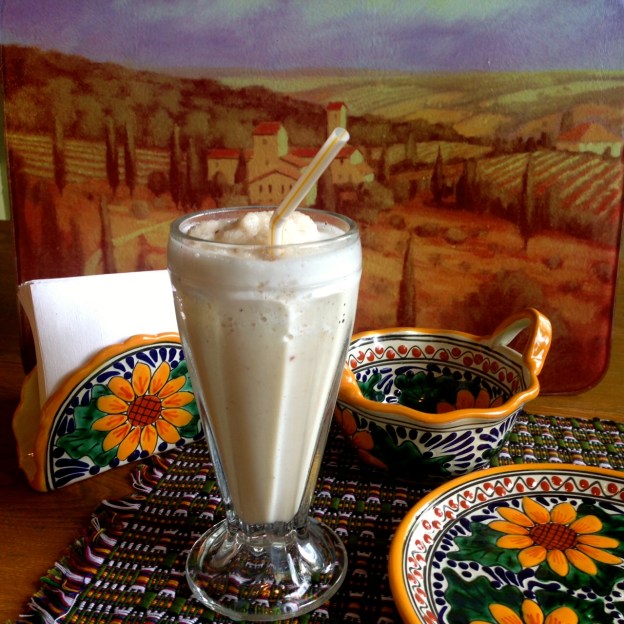
Avocado Smoothie pic

It all started at Las Puertas, a restaurant once located on the island of Flores in Lake Petén Itza. There they served the best smoothies – or licuados as the menu called them – in town. Along with traditional licuado flavors like melón, they offered a more exotic choice: aguacate! You read that right…avocado it was! Thanks to a Japanese friend who was living in Guatemala, this smoothie became a new favorite.

Not convinced that an avocado smoothie could be good? The idea may make American taste buds tremble, but an adventurous person like yourself will surely give it a try!

Here’s the recipe.

Awesome Avocado Smoothie

Yields: 1 generous serving

Add all of the following ingredients into a blender. Blend until smooth.  Enjoy!                 

10-12 ice cubes

1/2 cup plain or Greek yogurt

1/2 cup milk (almond milk if you prefer)

3 slices from 1/2 of an avocado

1 teaspoon vanilla

sweetener (to taste)

Everyone has their own “sweet scale”. Do what you like, but you may find that you enjoy this treat without any sweetener, especially if you have more European tastes. It’s all thanks to the final ingredient, which is…

1 teaspoon lime juice

Yes, the sweet tang of lime makes this licuado awesome! Without knowing about the lime, this smoothie would be…not the same.

Sometimes it’s like that with words, isn’t it? Knowing just the right word can really flavor up a conversation. That’s what Understanding the Guatemalan Patient is here for – to help you take your conversations with Guatemalans from adequate to awesome.

If you already own a copy, don’t forget to send us your feedback via the contact us page or post a review on Amazon. We’d love to hear from you! And for all of you spunky smoothie sippers, let us know your thoughts on the licuado de aguacate as well!

The Weight of Words

Weight of WordsHave you ever heard, “Sticks and stones can break my bones, but words can never hurt me”? Who came up with that saying? Whoever it was, they must have never heard hurtful words.

The truth is words can hurt just as much as stones. Words have weight, too. Sure, we might not stay as sensitive to others’ remarks as we were in, say, junior high, but that doesn’t mean we can’t feel pain caused by words. A promise broken, a lie told, a trust betrayed – each involves words and can dent or even shatter our lives.

On the flip side, words can anchor us to good things, catapult us into greatness and change lives. Words like home, traditions, family, love (casa, tradiciones, familia, amor give context to our lives and – while we may feel that they weigh us down at times – they could also help keep our feet on the ground where we need to be. Many agree that these words play a big role in Latin American culture even in the 21st-century. Encouraging words can tip the scales and help us overcome our doubts. Who hasn’t been strengthened by a “Go for it!” or a “Great job!”? As one man put it, “Think twice before you speak, because your words and influence will plant the seed of either success or failure in the mind of another.” [1] Truly, the right word at the right time can change someone’s life.

So what is a well-said, well-timed word’s weight worth? An ancient proverb says, “A word fitly spoken is like apples of gold in a setting of silver.” [2] Gold and silver? Now that’s some valuable weight!

At Understanding the Guatemalan Patient, we want to help you know just the right words so that you can use them at just the right time. One pocket-sized book may weigh only 2.5 ounces, but with 600+ entries in the Spanish-English section alone, its worth far more than it’s weight in words. (And it won’t tip the luggage scale or overload your purse!)

[1] Napoleon Hill, http://www.brainyquote.com/quotes/keywords/words.html#0uXG51BYgbIWGPfc.99 (accessed 10 August 2015).

[2] Attributed to King Solomon, Proverbs 25:11, ESV.

Glimpses of Guatemala: Do You Know This Place?

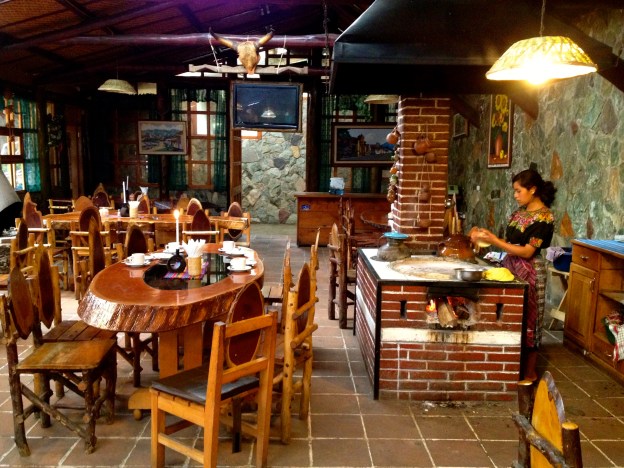
After winding along the hairpin curves enroute from Guatemala City to Chichicastenango, you might need to stretch your legs or enjoy an extra cup of coffee. Ahead is a brightly-colored sign. Maybe this is a good place to stop. Here in the mountains, the morning air can be chilly. A hot cup of coffee definitely sounds good! As you walk up to the door, the smells of wood smoke and hot corn tortillas beckon to you. Once inside, rustic tables and chairs offer space for many travelers.

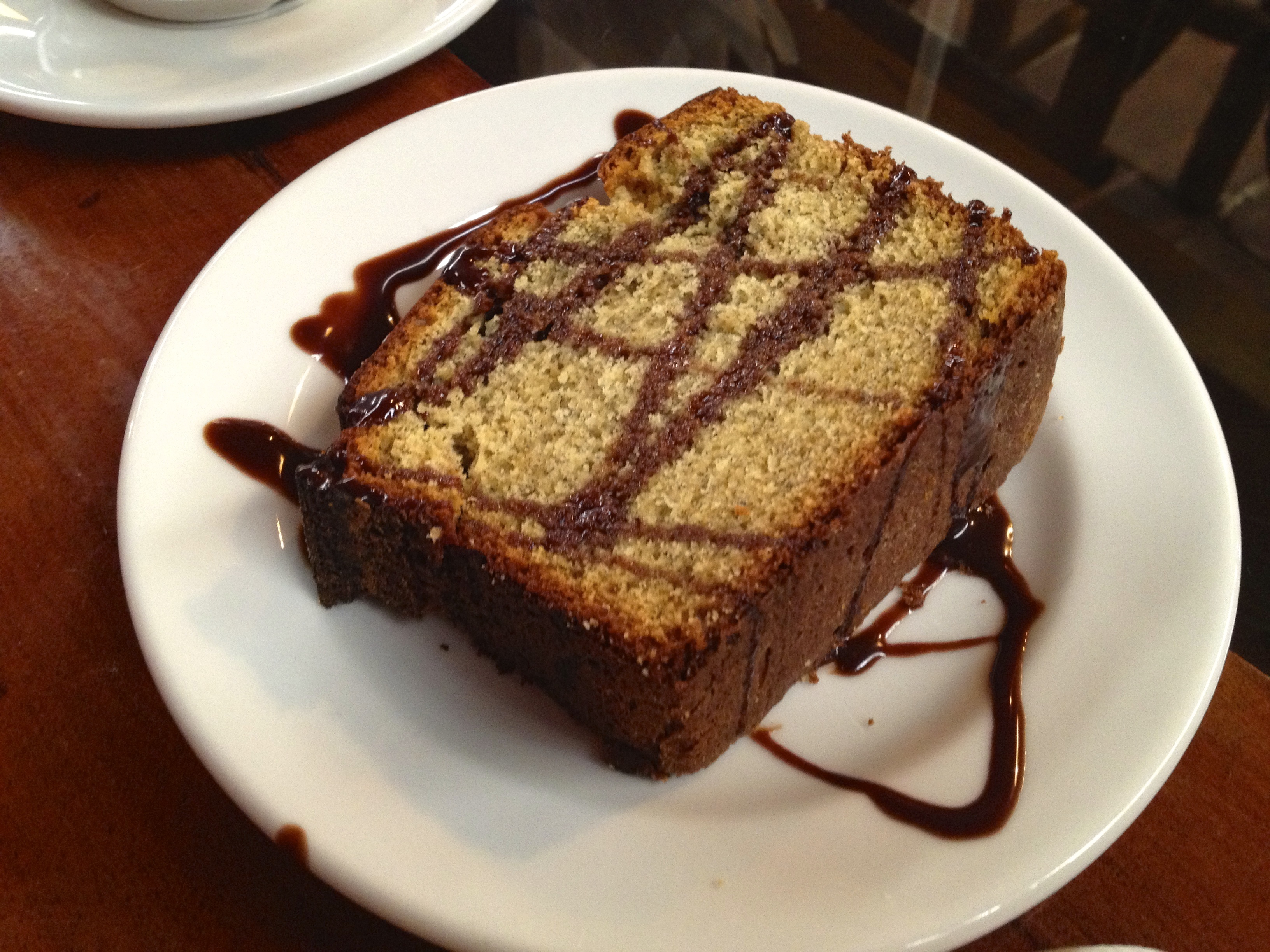
What would be good to order with a cup of coffee? Homemade pie – what could be better? Well, pay de papaya y piña! What about the cake with chocolate sauce? Mmmm. Decisions, decisions.Chichoy pieChichoy cake


If you’ve traveled this way before, perhaps the story is giving it away. Do you know the name of this place?

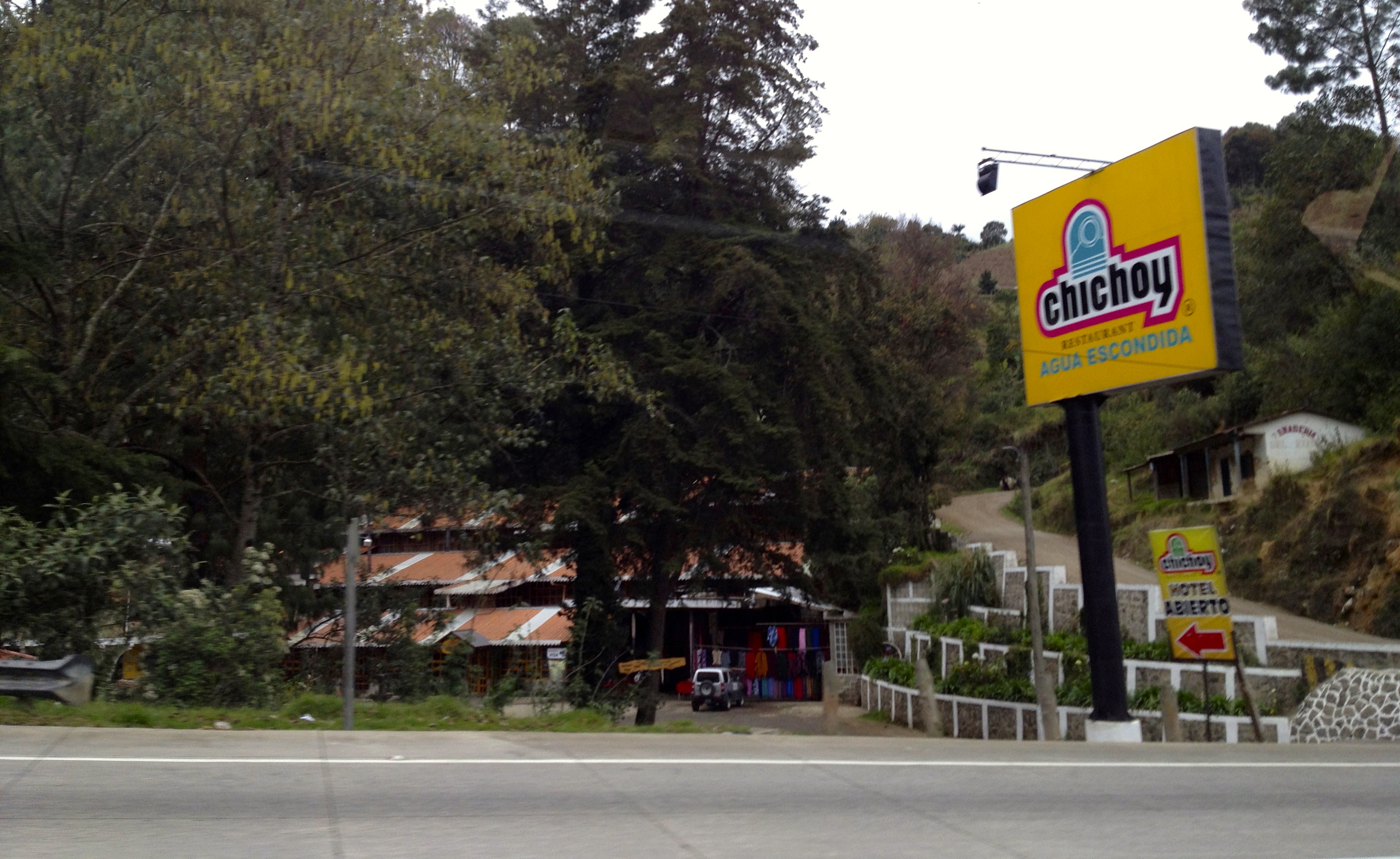
¡Sí! ¡Muy bien! El Chichoy has welcomed travelers for decades. Nestled right by the road, it is the perfect stop for a meal or just a refreshment.

In the Guatemalan mountains where the Chichoy is located, Guatemala’s indigenous languages – totaling 22 – are still spoken. Although many of the people now also speak Spanish, some words are slightly different or are used differently. These people and their unique use of language were part of the inspiration behind Understanding the Guatemalan PatientWe hope they will be just as clearly understood by those who serve them as their completely bilingual neighbors.


Chichoy sign


¿Me duele mi…coco?: A Taste of Guatemalan Slang

hrum-coconutAs you chat with your Hispanic patient, he tells you that his “coco” hurts. You know he doesn’t mean chocolate, and you’re quite sure he doesn’t really mean “coconut”…In fact, you are nearly positive he means his “head” hurts and can get right to the heart of that matter. After all, you read about it in the English-Spanish section of Understanding the Guatemalan Patient last night. The best part? Your patient feels like you really can communicate together.

Would you like to learn not only other slang expressions for “head” but also other words and folk medicine tidbits to help you communicate with the Guatemalans you serve? Check out Understanding the Guatemalan Patient today!

Licuados: A Sip of Guatemala

During a day spent in and out of the tropical sun and blanketed in high humidity, what could be more refreshing than a chilly smoothie (or licuado, as we say in Guatemala)? There’s just something about ice, milk and/or yogurt, a dash of sweetener and lush tropical fruit blended together. The varieties are as plentiful as the tropical fruits available at the mercado. Banana, papaya, cantaloupe, watermelon and even avocado can each create a scrumptious blend with the other ingredients.

Beyond the yumminess, there’s another reason to enjoy smoothies: staying hydrated! We often read or hear how important hydration is for the brain. Dehydration should be a noteworthy concern, especially in third-world countries like Guatemala. Whether or not you live in the tropics and whether you are a healthcare provider, interpreter, student, parent or some other vital role, you need your brain to be in tip-top shape to keep learning and serving. But let’s face it, water can taste, well, rather plain after a while. Instead of heading for a soda can or another latte, why not blend up a brain-boosting smoothie?

Feeling thirsty yet? If so, you’re in luck! Today we’re sharing a recipe for a longtime favorite. This simple Licuado de Banano brings back memories of crates of bananas at the local market, after-clinic refreshments and Guatemala school snack times. We hope you enjoy it and that you build your own set of sweet, healthful memories along the way.

Licuado de Banano Recipe

(This recipe makes an individual serving. However, it’s easy to double and share with a friend!)

Ingredients:

6 ice cubes

1/2 banana, fresh or frozen

1/2 cup milk (In Guatemala, we used powdered milk, but you can use regular milk or almond milk.)

dash of vanilla

sweetener to taste (Everyone has different preferences about this, so go with how you like it! If your banana is nicely ripe, you may decide the smoothie is perfect without added sugars.)

Put all ingredients in a blender and blend until smooth. Pour into your favorite glass and plop in a straw if you’d like. Enjoy!

Do you have a favorite smoothie recipe? Feel free to share it with us. Here at Understanding the Guatemalan Patient, we’re always on the lookout for good ideas! And if you would like to find out what makes an avocado smoothie awesome, drop us a line, and we’ll post it in the upcoming weeks.

A Bilingual Midwife’s Joys

motherbabyOn her way back to her clinic, Sofia smiles. Nothing could compare to seeing a new mother caring for her healthy baby in her own home after you’ve spent months working as a team and just a few days ago made it through the delivery. Experiences like that top Sofia’s “why-I-love-being-a-midwife” list. If only all her work weeks could start off this way!

Along with that joy, a midwife-in-training is along for the ride. She’s bright-eyed and itching to get into things.

Sofia decides to redeem the drive time. “See that little spiral-bound book peeking out of my bag?” she asks.

“The blue one?”

“Yeah. Go ahead and take a look at it. You’re going to need one for yourself.”

The trainee retrieves the book and looks it over. Understanding the Guatemalan Patient: A Glossary of Spanish Medical Terms and Folk Medicine This looks interesting, but, um, I did take medical Spanish in school. Did I say something wrong with the last client?”

“Oh, no, you did well! It’s just that, as you’ve learned, many of the women we serve in this area are from Guatemala. Some of them, like the mother we just visited. speak what I call ‘dictionary Spanish’. Others speak their own variety. Sometimes they grew up speaking Spanish as a second language after a Mayan dialect.”

“Can you give me an example?”

“I think you’ll see what I mean with our clients this afternoon.” Sofia grins. “Oh, and remember, as a midwife, sometimes your clients look to you for advice on all sorts of things.”

At the beginning of Sofia’s visit with her next client – a young mother from rural Guatemala accompanied by her cousin – nothing unusual happens. A few unique words are used, but the trainee catches on quickly. Sofia begins to wonder if she anticipated too much. Then her client says,

Mi hermana me estaba preguntando si usted tendría consejo para ella acerca de su bebé que tiene rozadura.”

Sofia glances at her trainee who discreetly raises an eyebrow.

Rozadura es cómo pañalitis, ¿verdad?” Sofia questions, even though she knows the answer. Both are used to mean diaper rash.

The client smiles and nods, “Sí, es como pañalitis.”

Sofia continues her conversation. Later that afternoon, the midwife-in-training comes to her looking a little less bright-eyed. “I’ve got to admit,” she says, “starting with that first office visit and continuing all afternoon, I’ve found out I don’t know Spanish as well as I thought I did. At least not the way these ladies speak it. And then there are all the folk medicine ideas I’ve never even heard of!”

Sofia’s encouraging nature kicks in. “Don’t worry; I think you’re gonna do great! Learning a language is a lifelong adventure. At least it seems like it has been for me.”

“Well,” she says with the smile in her eyes back on, “I know one thing; I’m going to buy myself one of those books!”

As the midwife-to-be heads back to work, Sofia smiles. Yes, training others is one more joy of this job.

Do you know a midwife who serves Hispanic women or would you like your own copy of Understanding the Guatemalan Patient? Check it out today on Amazon!

Una Casa Felíz (A Happy House)

Thoughts from the editor, Kristen A. Hammer:

When my Guatemala-born twin sister and I were little, our family often had visitors to our Stateside home, and some of our very favorites were our Guatemalan friends. During their stay with us, Spanish would be bouncing off the walls along with the extra joy that close friends can share, especially with such a famously fun language with which to express it. We girls relished these times. In fact, we told our mom, “Mamí, nuestra casa está más felíz cuando estamos hablando español.” (“Mommy. our house is happier when we’re speaking Spanish.”)

While my sister and I have lived seasons of using our Spanish more or less, we are both grateful for the early exposure we had in both Guatemala and the States. It has definitely added to our lives in more ways than one. I am still trying to speak it around the house some and am looking forward to sharing Spanish with my new little niece. She might as well get an early start, too! Perhaps I can be part of giving her at least a taste of how felíz casa can be.

How about you? Does Spanish add an extra dash of fun to your life? Were you exposed to Spanish as a child? How did you learn Spanish or whatever your second language is? Do you intend to pass your second language on to the next generation? What’s your strategy? We’d love to hear from you, so please drop a comment to us!

Here at Understanding the Guatemalan Patient we share a love for the Spanish language that we hope to share with you. Check it out on Amazon today or contact us for other buying options!


On a Medical Mission Team: Understanding Mayan Spanish Speakers

IMG_1209

You’ve dreamed of this day. You’ve studied and saved for this day. Now here it is: your first day seeing patients with a medical mission team in Guatemala.

The still-cool morning breezes waft through the metal screens over the windows of the concrete building. You smile at your first patient, a man from the campo who looks like he has labored long throughout his life, and begin a conversation. Since you’ve studied Spanish for several years now, your team decided you don’t need one of the in-demand interpreters as much as other team members, so you’re on your own for this conversation. Shouldn’t be hard, right?

Then your patient says, “Me duele mi canilla.” 

Your optimistic thoughts screech to a halt. Canilla? You’ve never heard that word! So much for those years of studying. The way he set his worn hand on his leg makes you think there’s some connection, but you want to know…and you don’t want your ignorance to make him feel uncomfortable.

You calmly look around. No interpreters nearby.

Then you remember that little blue book your dad gave you when he dropped you off at the airport. “Might come in handy,” he said.

You pull it out of the bag on the table next to you. It’s a glossary. Where are the “c” words? Oh, yay, there it is! 

canilla – leg, lower leg

You look your patient in the eye with a smile and say, “¿Se duele su canilla?” You set your hand on your leg like he had. “¿Cómo su pierna?

¡Sí!” He nods his head vigorously. “Me duele mi canilla.”

Oh, good! Now you can continue with your consultation.

Later you get a chance to ask one of the translators about canilla. He laughs. “Canilla is like an animal’s leg,” he says. “People, especially those who grew up speaking a Mayan language and speak Spanish as a second language, use it for a person’s leg, too.”

Ah, now you understand even better. And maybe tonight you’ll look through more of those words from that Understanding the Guatemalan Patient. It seems like it really might come in handy.

Gearing up for a medical mission trip to Guatemala or know someone who is? Maybe you’ll want your own copy of Understanding the Guatemalan Patient. Check it out on Amazon today!